

Does My Dog or Cat Really Need Year-Round Parasite Prevention?
The short answer is YES!
Due to the fact that Cincinnati experiences cold winters, warm summers, and plenty of unpredictable weather in between, your pet needs year-round parasite prevention. While pet owners may associate fleas, ticks, mosquitoes, and intestinal parasites with summer, parasites do not always follow the calendar. A few mild winter days or an early spring can be enough to keep certain parasites active.
Did you know that ticks can be super active during the winter? It is their breeding season, and anytime the temperature is over freezing, these nasty creatures are out and about! That is why consistent, year-round parasite prevention is an important part of protecting dogs and cats in Cincinnati, Loveland, and the surrounding communities.
Which Parasites Affect Cincinnati Pets?
Fleas
Fleas can cause significant itching, skin irritation, hair loss, and flea allergy dermatitis. Pets may also swallow infected fleas while grooming and develop tapeworms.
Although flea activity increases in warm, humid weather, fleas can survive indoors throughout the year. Once they become established in a home, breaking their life cycle may take time and require treatment of every pet in the household. Year-round flea prevention can help reduce the risk of flea infestations and the health problems associated with them.
Ticks
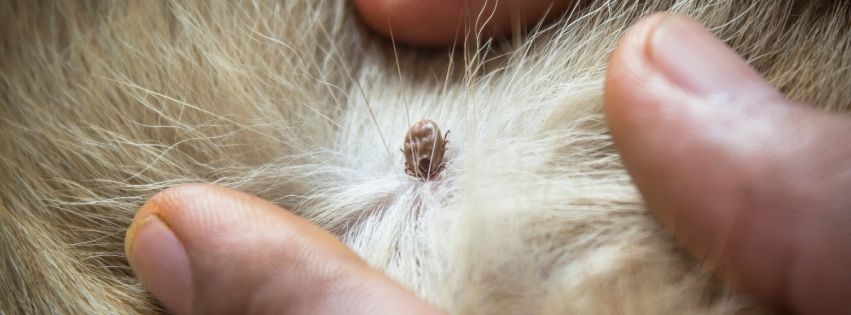
Ticks live in wooded areas, tall grass, leaf litter, parks, yards, and other places Cincinnati pets frequently explore. Depending on the species, ticks can transmit illnesses such as Lyme disease, ehrlichiosis, and anaplasmosis.
Check your pet after walks and outdoor adventures, paying close attention to:
-
In and around the ears
-
Beneath the collar
-
Around the eyelids
-
Under the front legs
-
Between the back legs
-
Between the toes
-
Around the tail
Finding and removing a tick promptly is helpful, but routine tick prevention provides a more dependable layer of protection.
Heartworms
Heartworm disease is spread through the bite of an infected mosquito. Dogs are the natural host, and untreated infections can cause serious damage to the heart, lungs, and blood vessels.
Cats are easily exposed to heartworms but are not the definitive host for heartworms like dogs are. The worms usually do not develop into full 12-inch worms in the heart, like occurs with dogs. The migration of microfilaria, or baby worms, through the lungs may cause severe respiratory illness in a cat called Heartworm Associated Respiratory Disease (HARD), and diagnosis can be challenging. Indoor pets are not completely protected because mosquitoes can enter homes. The safest approach is consistent year-round heartworm prevention rather than trying to predict when mosquito season begins or ends.
Intestinal Parasites
Roundworms, hookworms, whipworms, tapeworms, and microscopic organisms such as Giardia or Coccidia can affect a pet's digestive system and overall health. Possible signs include:
-
Diarrhea
-
Vomiting
-
Weight loss
-
A bloated abdomen
-
Poor coat quality
-
Scooting
-
Visible worms or segments in the stool
However, many pets with intestinal parasites show no obvious symptoms. Routine fecal testing can identify infections that would otherwise go unnoticed.
Some intestinal parasites can also affect people, making prevention and prompt treatment especially important in homes with children or immunocompromised family members.

Does My Indoor Cat Really Need Parasite Prevention?
Indoor living reduces certain risks, but it does not eliminate them.
Mosquitoes can fly through an open door or damaged screen. Fleas may hitchhike indoors on people or other animals. A mouse, insect, new pet, or contaminated soil carried inside can also expose a cat to parasites.
Our veterinarians at East Hills Veterinary Clinic and Red Bank Veterinary Hospital can assess your cat's individual risk and recommend cat parasite prevention based on age, health, lifestyle, and household environment.
Why Continue Parasite Prevention During a Cincinnati Winter?
Stopping parasite prevention during colder months can create gaps in protection. Cincinnati and Loveland weather can fluctuate, and some parasites become active whenever temperatures are favorable. Fleas can also thrive inside heated homes throughout the winter.
Year-round parasite prevention offers several practical benefits:
-
It avoids trying to predict parasite activity.
-
It reduces the likelihood of missed or late seasonal doses.
-
It helps protect pets during unexpected warm spells and travel.
-
It makes prevention part of a simple monthly or scheduled routine.
-
Some products protect against several parasites at once.
The Companion Animal Parasite Council (CAPC) recommends year-round heartworm, intestinal parasite, flea, and tick control tailored to each pet. Dogs should also receive routine heartworm testing, even when they consistently take preventive medication.
Choosing a Parasite Preventive for Your Pet
There is no single preventive that is ideal for every dog or cat. Products differ in the parasites they cover, how they are administered, and which animals can use them safely.
Your veterinary team may consider:
-
Your pet's species, age, and weight
-
Current health conditions and medications
-
Indoor and outdoor activity
-
Travel and boarding plans
-
Exposure to wildlife, parks, or wooded areas
-
Ease of giving an oral, topical, or injectable product
-
The needs of other pets in the home
Never give a dog's flea or tick product to a cat. Some ingredients that dogs tolerate can be dangerous or fatal to cats. Before starting, changing, or combining parasite-control products, talk with our veterinary team.
What If My Pet Misses a Dose?
Contact our team for instructions. The right next step depends on the product, how late the dose is, and your pet's exposure risk.
A lapse in heartworm prevention may change the recommended testing schedule. Do not simply double the next dose unless your veterinarian specifically tells you to do so.
Build Parasite Protection Into Your Pet's Wellness Plan
Parasite prevention works best as part of a complete preventive-care plan that includes regular wellness examinations, appropriate vaccinations, diagnostic screening, and conversations about changes in your pet's lifestyle.
At Cincinnati Family Vet, our teams at East Hills Veterinary Clinic in Loveland, Ohio, and Red Bank Veterinary Hospital in Cincinnati provide individualized preventive care for dogs and cats. Our locally owned, AAHA-accredited veterinary hospitals are committed to helping pets stay comfortable, healthy, and protected throughout every season.
Whether your pet needs flea and tick prevention, heartworm prevention, intestinal parasite screening, or a routine wellness examination, our veterinary teams can help you determine the right year-round parasite prevention plan.
Is Your Pet Due for Parasite Prevention?
Whether your pet needs flea and tick prevention, heartworm prevention, intestinal parasite screening, or a routine wellness examination, our veterinary teams can help you determine the right year-round parasite prevention plan.