

Dogs often have lumps and bumps and other things that we can see as pet owners that signal to us that it’s time for a trip to the veterinarian. However, that doesn’t tell the whole picture. Just as with humans, we need to know what’s going on inside dogs. This is particularly true if they’re showing symptoms that something is wrong, but there’s no outward indication of this. If you suspect your dog may be sick, please contact your veterinarian right away, as time is of the essence. If your veterinarian has already told you that they’d like to run some diagnostic tests on your dog, you’ve likely turned to the internet for answers. We’re glad you landed on our website! At East Hills Veterinary Clinic, we work hard to bring you facts you can trust. To avoid potentially disastrous misinformation from “Dr. Google,” we’ve taken FAQs about diagnostic imaging for dogs and answered them as thoroughly and accurately as possible.
If you’re looking for a highly trained veterinarian in Loveland, OH, we’d love to ensure your dog is healthy, so please call us at (513) 831-7444.
What is veterinary diagnostic imaging?
Veterinary diagnostic imaging is a painless and non-invasive collection of tools to assess your dog’s health.
Veterinary diagnostic imaging includes the following:
- Radiographs (x-rays)
- Ultrasound
- CT scans
- MRIs
Veterinarians use these images to gather information on your dog to assist them in making a medical decision, a treatment plan, and sometimes a surgical plan.
How does diagnostic imaging help diagnose my pet?
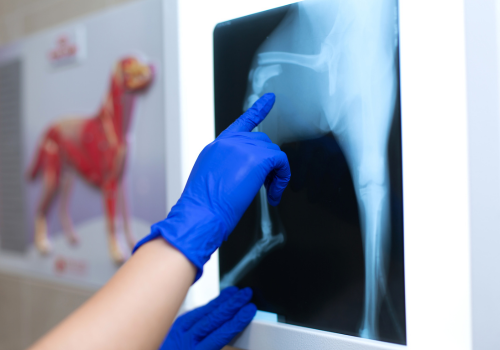
Diagnostic imaging (x-rays or ultrasound) helps us get a picture of what's going on inside your pet. X-rays allow us to get a 2D image of your pet's organs and bones. X-rays allow us to get an idea of the shape of organs, whether or not there may be gas or fluid in a cavity or if there are fractures in bones. We look for things that might be out of place or things that shouldn't be there, or diseases that may be going on that we can visibly see on the inside of your pet. Ultrasound allows us to get an image of what the organ looks like on the inside. Imaging allows us to safely look inside your pet without getting more invasive to do so.
For instance, if your dog is vomiting, your veterinarian may take an x-ray to look for possible causes, such as obstruction of the intestines or an obvious foreign body. The x-ray may show some signs of intestinal obstruction. Before proceeding to the surgery, your veterinarian would likely follow the x-ray up with an abdominal ultrasound. The ultrasound will give more detail of the questionable area to ensure that the right plan is to move forward with surgery.
What does a veterinary radiologist do?
A veterinary radiologist does a residency, or 4-6 more years of schooling after veterinary school to become certified and specialized in all diagnostic imaging forms. At East Hills Veterinary Clinic and Red Bank Veterinary Hospital, all of our x-rays are sent to a veterinary radiologist for interpretation. Most of our x-rays are reviewed in 24-48 hours after taking. If you pet is critically ill, we have the option to send to the radiologist and have a report back in 30 minutes.
There are some cases that require a CT Scan or MRI for further imaging. We refer all these cases to the specialty hospitals located in Cincinnati, such as Medvet in Madisonville. In these instances, there’s often something more specific that we need to diagnose; we may need a second opinion, or something doesn't make sense to us. In those cases, we like to have a board certified specialist to evaluate the case.
What are some of the things that diagnostic imaging looks for?
Many times what we're looking for is something that's not quite right with your pet. If we're looking at an x-ray of their chest, for example, we're looking at their heart and lungs, so we're looking for abnormalities in those two things. If we're looking at an x-ray of their belly, we might be looking at their different organs to look for tumors or at their intestines to see if they've eaten something. We're seeking more information about why we see the symptoms we see in the dog. We can also look for congenital issues. We see hernias and many other things when we take x-rays.
Ultrasound is a bit more specific for looking inside the organs. We can more easily see masses that might be hiding, evaluate the gallbladder, and look at the kidneys, bladder, and adrenal glands, which are so small that you can't see them on an x-ray. We're also looking for a thickening of the intestines. So the ultrasound is a lot more sensitive and specific for different diseases that we may not be able to diagnose as well with the x-ray.
The ultrasound doesn’t give you a good picture of the chest, except for the heart, so if someone says you need an echocardiogram, that would be an ultrasound of the heart. And that would be something that a veterinary cardiologist would do, although it's still considered diagnostic imaging.
Is diagnostic imaging safe for my dog?
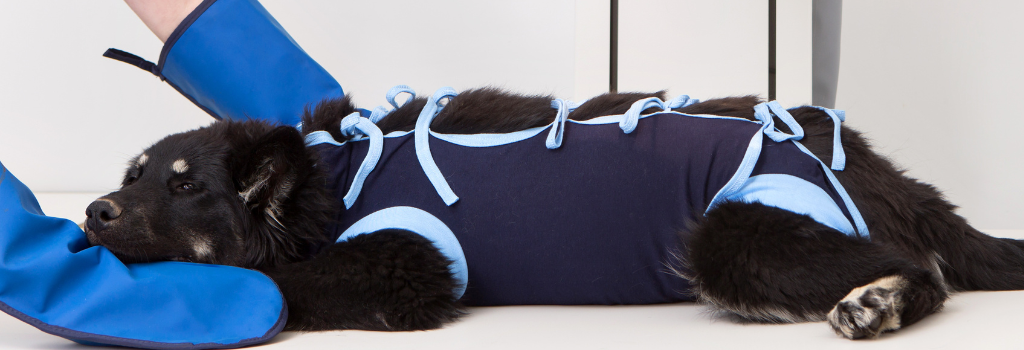
Yes. The amount of radiation that our pets are exposed to is minimal and safe. It may be a little bit stressful for your pet, but it’s generally over so quickly that they are done before they even realize anything is happening.
Ultrasound imaging is also very safe. It's the same thing techs use for imaging babies in the womb, so there are no side effects to it at all. It is an excellent way to get more information about your pet without doing something more invasive or harmful to them. So it's a way that your doctor can get more information on what's going on with your dog without doing anything that might potentially cause them pain.
Would my dog need to be sedated for diagnostic imaging?
Most of the time, no, as we can get the information we need without sedation. However, we practice fear free techniques and we may recommend a sedative to make your pet more comfortable or pain medication if we suspect that the imaging will be painful. And most of the time, that's because we're looking for a specific view that might be uncomfortable for the pet while we're manipulating their limbs.
For example, x-rays to look for hip dysplasia typically work best under sedation or anesthesia because you're pulling on their legs to get the best possible image, and it's just not fair to the dog to ask them to hold still while we're doing that. Most animals are excellent, and we don't need to do any sedation. Every once in a while, we'll get a cat or a dog that'll be nervous and might need some, but most of the time, we're very upfront with you about whether your dog would need some sedation to do that. The vast majority of dogs are fine without sedation during diagnostic imaging.
If you live in or near Loveland, OH, and are looking for quality pet care, come visit us at East Hills Veterinary Clinic where your pet is our priority. Contact us at (513) 831-7444 to set an appointment, or email us at [email protected]. Our staff would love to talk with you!
Don't forget to follow us on social media: Facebook, Instagram.