


Cat Vaccinations
Vaccines are important! They are an essential procedure in veterinary medicine that keep our cats protected against potentially fatal but preventable diseases. However, research has shown that pet owners are more likely to keep up with yearly vet visits for dogs than cats, creating the opportunity for cats to be vaccinated less often than their canine counterparts.
There is a lot of misinformation about cat vaccines online and in pet owner communities, so our team at East Hills Veterinary Clinic and Red Bank Veterinary Hospital is here to help set the record straight and answer the most frequently asked cat vaccination questions from our feline pet owners.
Does My Cat Need Vaccinations?
Our answer will always be “Yes!” Vaccinations are crucial for a cat’s overall health because they protect them from serious and potentially fatal diseases and can work within a cat’s body to strengthen their immune system.
Cornell University’s Feline Health Center defines vaccinations for cats as “preparations that resemble infectious agents like bacteria or viruses but are not pathogenic (disease-causing).” After being administered, vaccines essentially “train” a cat's immune system to recognize infectious agents, so when one enters a cat’s body, the cat’s immune system responds by producing antibodies or activating cells to kill the agent.
All of the diseases we currently vaccinate cats against are preventable, and vaccines are highly effective at protecting cats against them. However, when discussing how vaccines work, it is important to note that no vaccine is 100% effective.
There are several external factors that can affect the degree of effectiveness in individual cats:
- Age
- The condition of a cat’s immune system
- Medication use
- Stress
- Unsanitary living conditions
These factors can all affect how a cat’s body and immune system respond to the infectious agents being introduced. Some cats may even have genetic differences that affect how their immune systems respond to vaccines, altering their efficacy in that specific cat.
Every cat and every situation is different, so our doctors will recommend only the vaccines that YOUR cat needs. It is so very important to work closely with our veterinarians to make sure your cat’s vaccination plan is tailored to them and their specific needs.
Recommended Cat Vaccinations & Their Use
The vaccinations your veterinarians recommend will typically depend on a few factors:
- Your cat's lifestyle (indoor only vs. outdoor access)
- Overall health
- Any pre-existing medical conditions
The vaccines that will be important for your cat’s health are the FVRCP, Rabies, and, sometimes, the FeLV vaccine.
- FVRCP: This combination vaccine protects against feline viral rhinotracheitis, feline calicivirus, and feline panleukopenia.
- Feline Viral Rhinotracheitis (FVR), otherwise known as feline Herpes, is a leading cause of upper respiratory infections in cats.
- Feline Calicivirus (C) is a respiratory disease that affects a cat's lungs and mouth, often causing sores around the gums.
- Feline Panleukopenia (P), also known as feline distemper, is a highly contagious virus that can be fatal. It primarily manifests as a gastrointestinal disease with symptoms such as lethargy, vomiting, diarrhea, and a high fever.
- FeLV: Protects against feline leukemia, which can cause a variety of health problems, including cancer, blood disorders, and immune deficiency. This disease can be transmitted through close contact with other cats and is usually given only to cats with outdoor access.
- Rabies: Rabies is a fatal but preventable viral disease. It can be spread to people and pets through the bites and scratches of an infected animal. The rabies vaccine is required by law in many states and is considered a core vaccine.
- At Cincinnati Vet, our team is proud to support Mission Rabies. For every rabies vaccine given at East Hills Veterinary Clinic in Loveland, OH, and Red Bank Veterinary Hospital in Cincinnati, OH, our team makes a donation to Mission Rabies. Click on our Mission Rabies Page to learn more and see how much we've donated so far!
Vaccination Schedules for Cats
If you’ve ever heard your veterinarian refer to a vaccination schedule, they’re talking about their recommended plan for administering vaccines to your cat at specific ages or intervals that they deem appropriate based on your cat’s overall health.
Vaccinations for kittens
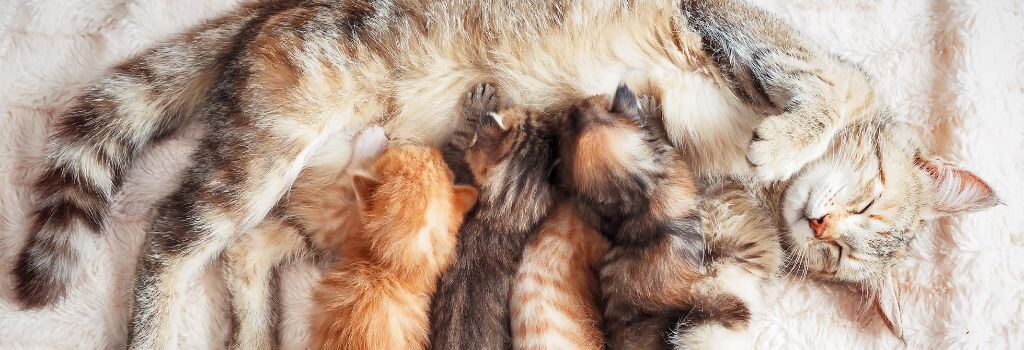
Kittens are typically the age group of cats most susceptible to contracting infections, due to their immune system being weak only just beginning to develop. Vaccinating kittens at the appropriate time sets a strong foundation for their immune system and protects them from preventable diseases that could potentially create lifelong health complications for them.
Kittens typically receive:
- FVRCP vaccine at 8 weeks with boosters every 2-3 weeks until they are 16 weeks old
- Rabies vaccines at 16 weeks
Vaccinations for adult cats
After a cat has been appropriately vaccinated as a kitten, they’ll need to keep up with their vaccinations throughout the rest of their life in order to stay protected.
Adult cats who have outdoor access should receive:
- FeLV booster every 1 years
- FVRCP every 1–3 years
- Rabies vaccines should be given every 1–3 years, depending on state laws.
Are There Risks or Side Effects Associated With Cat Vaccinations?
While the benefits of vaccines outweigh the risks, some cats may experience side effects from vaccinations that can include lethargy, loss of appetite, swelling or redness at the injection site, and a slight fever, which usually resolve quickly.
But what about fibrosarcomas?
- Fibrosarcomas are cancerous tumors that invade the skin of dogs and cats. In past years, there was an association with vaccine site sarcomas and feline vaccines. We do not see as many of these vaccine-associated sarcomas, as the vaccines that we use are non-adjuvanted vaccines. Adjuvents are additions to vaccines to stimulate an immune response. Since cats are usually great at creating inflammation, it was proven that the vaccines are just as effective even without these adjuvents, which increased the chance of fibrosarcomas.
If My Cat Is Going To Strictly Live Indoors, Do They Still Need to Be Vaccinated?
If your cat spends most or all of its time inside, you may think you’re in the clear and that your cat is safe is without being vaccinated. But that couldn’t be more wrong. Regardless of whether they spend time indoors or outdoors, all cats are at risk of contracting these preventable diseases that can lead to serious health complications and even shorten their lifespan.
Indoor cats still need to be vaccinated as some of these diseases can still be contracted through infected clothing or other items brought into your home and even through window screens.
Why Is It Important to Avoid Missing a Cat Vaccination?
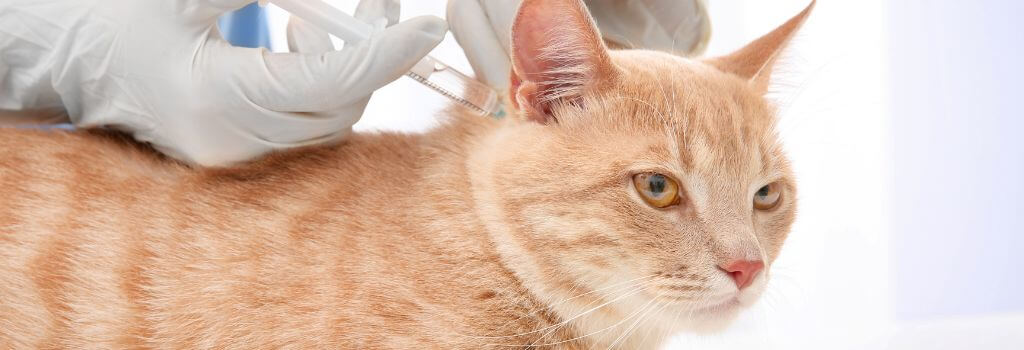
When it comes to cat vaccinations, it's crucial to avoid missing any scheduled appointments because vaccines work by "priming" your cat's immune system. Skipping a dose can significantly reduce their protection against potentially serious diseases.
The effect of missing a vaccination will depend on your cat’s age, the vaccination missed, and the length of the gap created by the missed dose. In some cases, the missed dose can be given right away without any additional intervention from your veterinarian, while in others, an additional dose may be required a few weeks later.
In the event that your cat does miss any vaccinations, you’ll need to work closely with our veterinarian team in order to determine the best avenue for getting your cat back up-to-date.
Is your cat up to date on their vaccines? Do you have questions about which vaccinations your cat needs? Schedule an appointment. Our team is here to help!