


Lyme Disease in Cincinnati, Ohio: What Pet Owners Need to Know
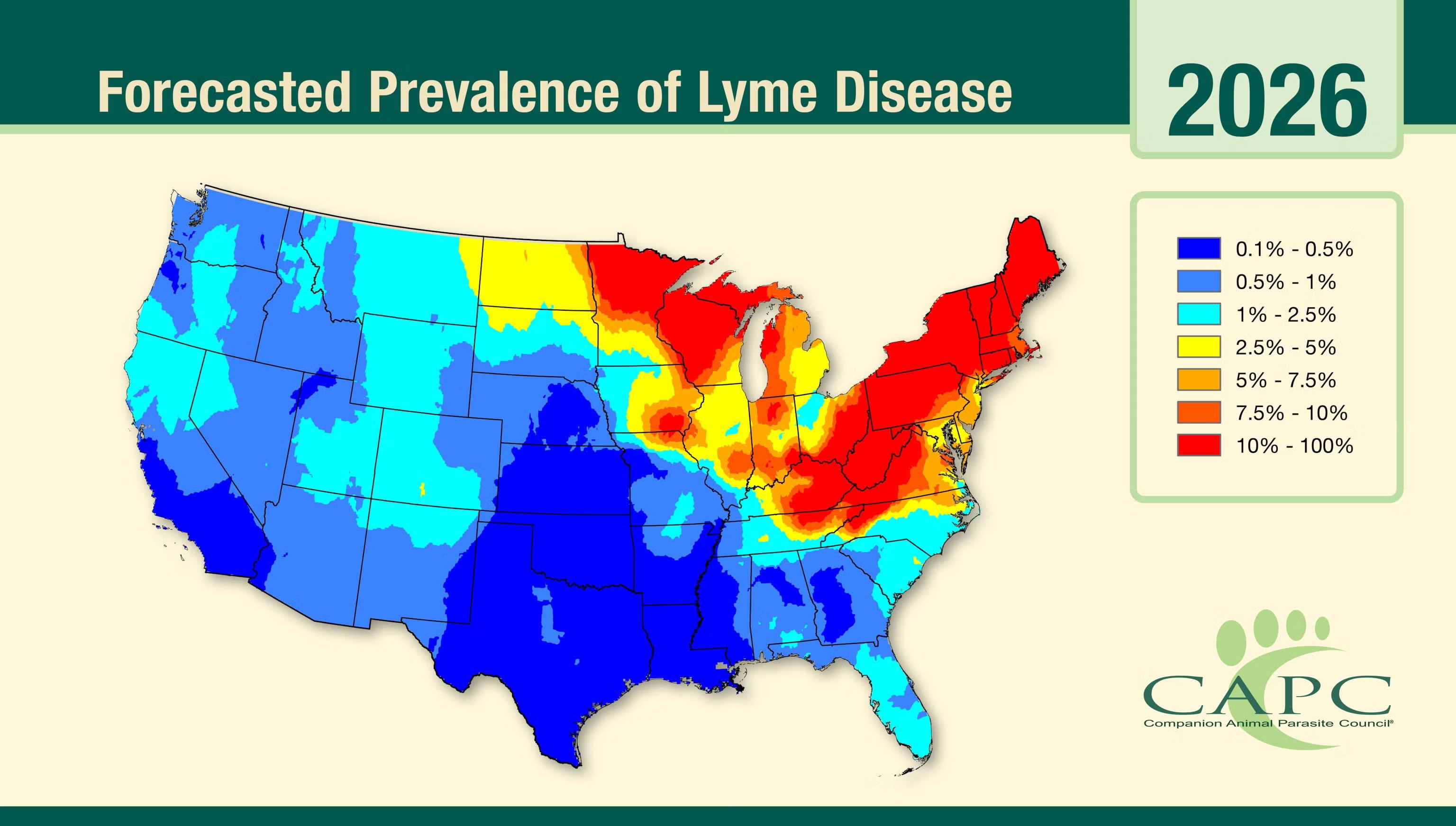
Lyme disease is no longer just a concern for the Northeastern United States. In recent years, Ohio (especially areas like Cincinnati and surrounding regions) has seen a significant rise in Lyme disease risk. Backed by research from The Ohio State University and guidance from the Companion Animal Parasite Council (CAPC), it’s clear that awareness and prevention are more important than ever.
The Growing Risk of Lyme Disease in Ohio
According to a 2026 study from The Ohio State University, the risk of encountering Lyme disease in Ohio is now comparable to historically high-risk states like Connecticut. Researchers found that infection rates in ticks have increased dramatically, with some areas showing nearly half of the ticks carrying the bacteria responsible for Lyme disease.
Even more concerning, blacklegged ticks—the primary carriers of Lyme disease—have now been reported in all 88 counties in Ohio, meaning cities like Cincinnati are not exempt from exposure.
Why Cincinnati Pet Owners Should Pay Attention
While Lyme disease risk is often higher in eastern and southern Ohio due to forested environments, tick exposure can occur anywhere. This includes urban and suburban settings.
Ticks thrive in:
- Wooded areas
- Tall grass and brush
- Parks and backyard landscapes
In addition, Ohio State experts emphasize that ticks can be active year-round whenever temperatures rise above freezing.
What Causes Lyme Disease?
Lyme disease is caused by the bacterium Borrelia Burgdorferi, transmitted through the bite of an infected blacklegged (deer) tick.
In Ohio:
- Most infections occur from tiny, hard-to-see nymph ticks
- Peak risk is late spring through summer
- Cases have steadily increased as tick populations expand
The Connection Between Pets and Human Risk
The Companion Animal Parasite Council (CAPC) highlights an important concept: pets—especially dogs—can act as sentinels for human Lyme disease risk.
This means:
- If dogs in your area test positive, human risk is also elevated
- Pets can bring ticks into the home
- Monitoring pet health can help identify local disease trends
CAPC also notes that Lyme disease is a “One Health” issue, affecting both animals and humans due to shared environments and exposure risks.
Prevention Tips for Cincinnati Residents
For Pets (CAPC Recommendations)
- Use year-round tick prevention products
- Check pets daily for ticks
- Consider Lyme vaccination
- Schedule regular veterinary screenings
The Future of Lyme Disease in Ohio
Both Ohio State University and CAPC data indicate that Lyme disease is expanding geographically, with Ohio becoming a high-incidence state moving forward.
Factors contributing to this rise include:
- Climate changes extending tick activity
- Expanding wildlife habitats
- Increased human interaction with tick environments
Prevention is the Key to Minimizing Risk of Lyme Disease in Pets
For Cincinnati residents, Lyme disease is no longer a distant concern. Lyme Disease is now a local and growing public health issue. With research from Ohio State University confirming increased risk and CAPC emphasizing prevention strategies, taking proactive steps is essential.
Is your pet up to date on their vaccinations and preventatives? Do you have questions about how to best protect your pet from Lyme Disease? Book an appointment. Our team is here to help.